







Why Flexibility Matters in Fitness and Life
Life rarely sticks to a fixed routine. Plans shift, energy levels rise and fall, and the body responds differently from one day to the next. In fitness circles that celebrate strong, well-defined male physiques, this reality often gets overlooked. Many focus solely on lifting heavier or pushing harder, yet the ability to adapt—both physically and mentally—proves just as essential for long-term progress and enjoyment. Flexibility in the body and in daily approach allows for smoother movement, fewer setbacks, and a greater sense of ease when the unexpected appears.
A physique that moves with ease tends to stand out more. Muscles able to lengthen and contract freely create cleaner lines and more fluid motion, qualities valued across many forms of physical presentation, from athletic training to the refined presence seen among gay escorts. Tightness, by contrast, limits range and can leave even the most sculpted frame feeling restricted. Research from trusted health sources shows that regular stretching improves joint mobility and helps muscles work more effectively. A flexible approach keeps training sustainable and the overall experience more rewarding.
The Physical Side of Staying Adaptable
Stretching does more than prevent stiffness. According to detailed guidance from the Mayo Clinic on focusing on flexibility, consistent work on range of motion can improve performance in physical activities, decrease injury risk, and allow joints to move through their full capacity. Muscles receive better blood flow, and daily tasks become easier. For anyone who trains regularly—whether aiming for broader shoulders, stronger legs, or simply a more balanced look—this foundation supports everything else.
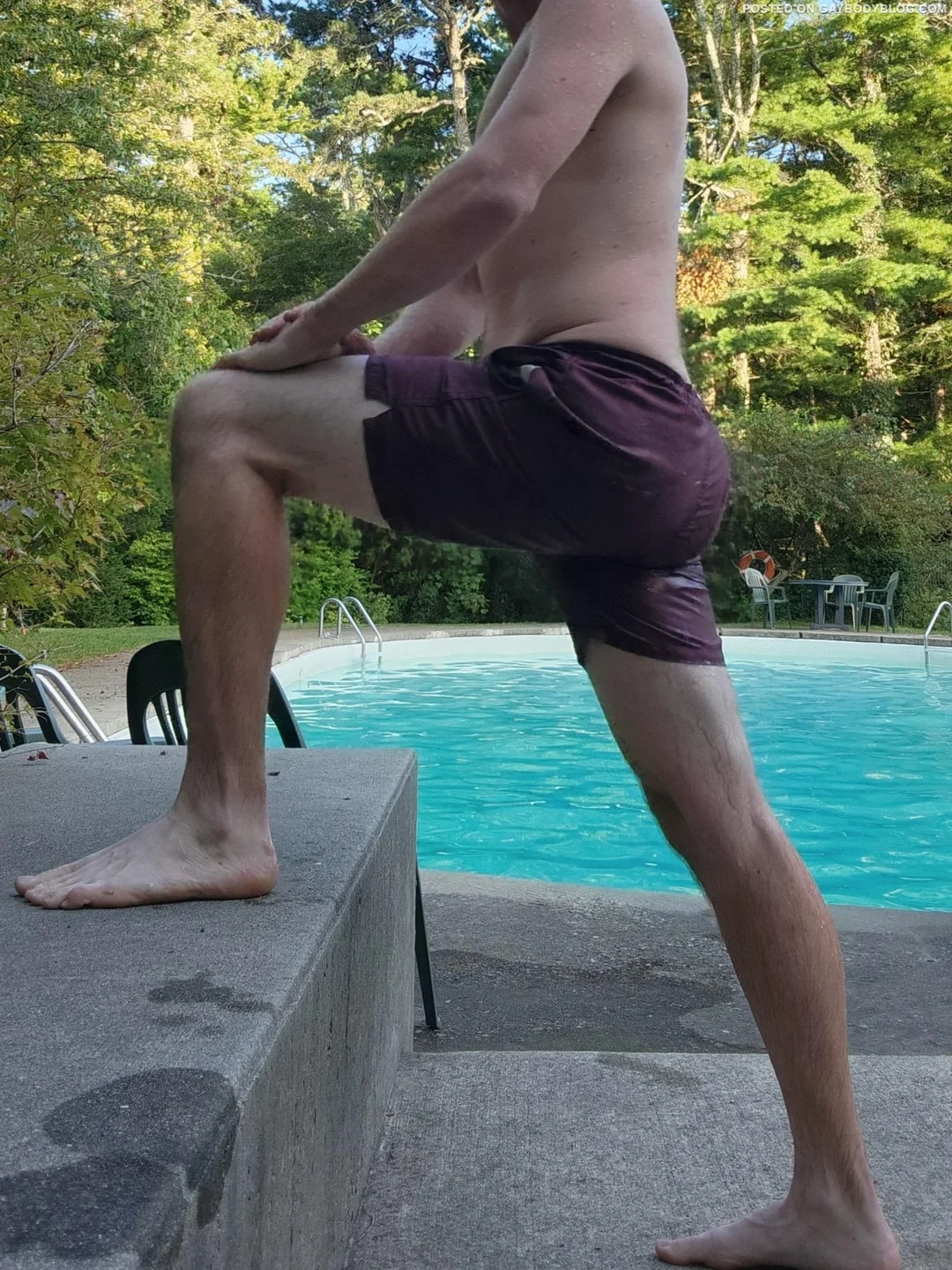
Warm muscles respond best. A short walk or light movement before holding stretches for about thirty seconds works well. Bouncing or forcing the body into painful positions does the opposite of what is intended. Focus stays on major groups: calves, thighs, hips, lower back, shoulders, and neck. Over time, the body opens up. Squats drop deeper. Overhead reaches feel natural. The physique appears more dynamic because it can actually move that way.
Unexpected schedule changes no longer derail progress. A shorter session that includes mobility work still delivers results. Travel days or busy weeks become opportunities to maintain rather than lose ground. The body that stays flexible recovers faster and stays ready for the next challenge.
Mental Flexibility and the Element of Surprise
Fitness journeys rarely follow a straight line. Some weeks energy soars. Other times motivation dips or life intervenes. Those who treat every plan as unchangeable often feel frustrated. A more adaptable mindset treats these shifts as part of the process. Trying a new movement pattern or adjusting intensity based on how the body feels that day keeps training fresh and effective.
This openness mirrors the way many approach leisure and entertainment. Life delivers unexpected moments of excitement and decision points that cannot be scripted in advance. Embracing them rather than resisting creates a lighter, more enjoyable path. The same principle applies in the gym. Switching from heavy compound lifts to mobility-focused sessions when needed prevents burnout and keeps the long-term goal in sight.
Practical Ways to Build Greater Range
Start simple. After any training session, spend five to ten minutes on key stretches. Hold each one without forcing. Breathing stays steady. Progress appears gradually—sometimes over weeks rather than days. Consistency matters more than intensity here.
Dynamic movements before training prepare the body without reducing power. Gentle leg swings, arm circles, and torso rotations raise temperature and wake up the joints. Static holds work better afterward when tissues are already warm. Many find that adding a short daily mobility routine, even on rest days, compounds the benefits.
Harvard Health Publishing notes in its overview of the importance of stretching that regular practice keeps muscles long and flexible. Without it, tissues shorten and tighten, raising the chance of strain when sudden demands appear. Maintaining length supports better posture and balance as well—qualities that enhance how a strong physique presents itself in everyday settings.
Flexibility Beyond the Gym Floor
The advantages extend into daily life. Reaching for something on a high shelf, bending to tie shoes, or simply moving through a crowded space becomes easier. Travel feels less taxing when the body can adjust to long periods of sitting or unfamiliar sleeping arrangements. Social settings and physical activities outside structured training also benefit from a frame that moves freely.
Unexpected opportunities often reward those ready to seize them. A last-minute invitation to an active outing or a chance to try something new lands better when the body and mind can adapt. This readiness contributes to a more vibrant lifestyle overall. Leisure time feels richer when physical limitations do not stand in the way.
Keeping the Practice Sustainable
Avoid treating flexibility work as an afterthought. Schedule it the same way other training elements receive attention. Track how certain stretches feel over time. Notice improvements in depth or ease. Small wins reinforce the habit.
Listen carefully to feedback from the body. Mild tension signals productive work. Sharp pain signals a need to ease off. Equal attention on both sides of the body prevents imbalances that can develop from repetitive training patterns.
Over months the cumulative effect becomes clear. Movement quality rises. Recovery improves. The overall physique looks and feels more complete because it functions as a coordinated system rather than a collection of isolated strengths.
The Long View of Adaptability
A rigid plan may deliver short-term results, yet it often falters when circumstances change. Building flexibility into both the physical routine and the broader approach creates resilience. The body stays capable. Motivation remains steadier. Enjoyment of the process increases because setbacks turn into adjustments rather than failures.
In a culture that values impressive male forms and athletic presence, the ability to move with ease and respond to the unexpected stands out. It supports continued progress, reduces frustration, and opens the door to a wider range of experiences. Whether in structured training or spontaneous moments of leisure, flexibility proves its worth again and again. The result is a stronger, more capable body ready for whatever comes next.







 RSS Feed