






The Evolution of Digital Fantasy in Gay Culture
We need to talk about the rise of gay AI images.
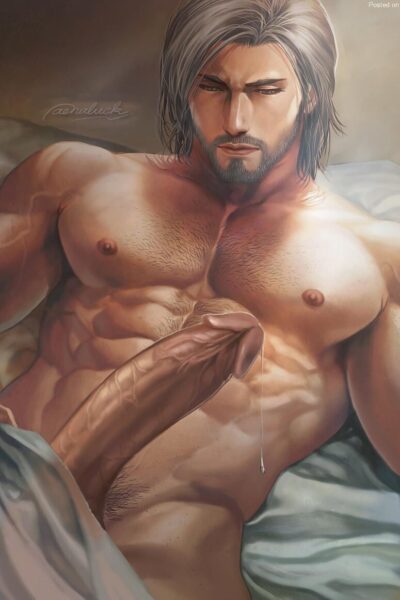
Gay culture has long developed its own visual and erotic language, shaped by decades of censorship, community organizing, and creative resilience. Before the internet existed, gay men circulated hand-drawn illustrations, underground magazines, and self-published zines that celebrated desire in ways mainstream media refused to acknowledge. These materials were more than entertainment. They functioned as acts of cultural affirmation in environments where visibility carried genuine social risk.
The shift to digital media transformed this dramatically. Early websites gave gay communities access to networks, forums, and image archives that had never existed before. Content that once required knowing the right person or visiting the right neighborhood became reachable to anyone with a connection. This democratization of access reshaped how gay men explored fantasy, identity, and community at the same time.
From Underground Print to Networked Digital Spaces
The arrival of broadband internet accelerated content sharing across gay platforms significantly. What began as simple image galleries evolved into full production studios, subscription services, and user-generated content ecosystems. The category now widely referred to as ai gay porn represents one of the most recent developments in this chain, but its roots trace back to the same community-driven instinct that built gay digital culture from the ground up.
Social platforms introduced new dynamics alongside explicit content. Gay men began using digital spaces not only for fantasy but for connection, political organizing, and cultural commentary. The comment section, the forum thread, and the chat room became extensions of the bar or the community center, minus the physical geography that had once limited participation.
Representation became a more conscious conversation as production moved online. Independent creators could craft content that reflected specific identities, body types, and aesthetics that mainstream gay pornography historically ignored. This shift gave visibility to bears, femmes, older men, and gay men of color whose experiences were underrepresented in commercially produced material.
Monetization models changed the power structure in this space as well. Subscription platforms allowed individual creators to earn directly from their audiences without studio intermediaries, redistributing both income and creative control. Gay creators on these platforms built loyal communities that blended personal connection with erotic content in ways that earlier formats never allowed.
The archive also matters here. Digital formats preserve content in ways that print never could, creating accessible records of gay erotic culture across generations. This permanence has cultural value beyond individual consumption. It documents how gay desire has been expressed, repressed, and reclaimed over time.
AI Technology and the Reshaping of Gay Adult Fantasy
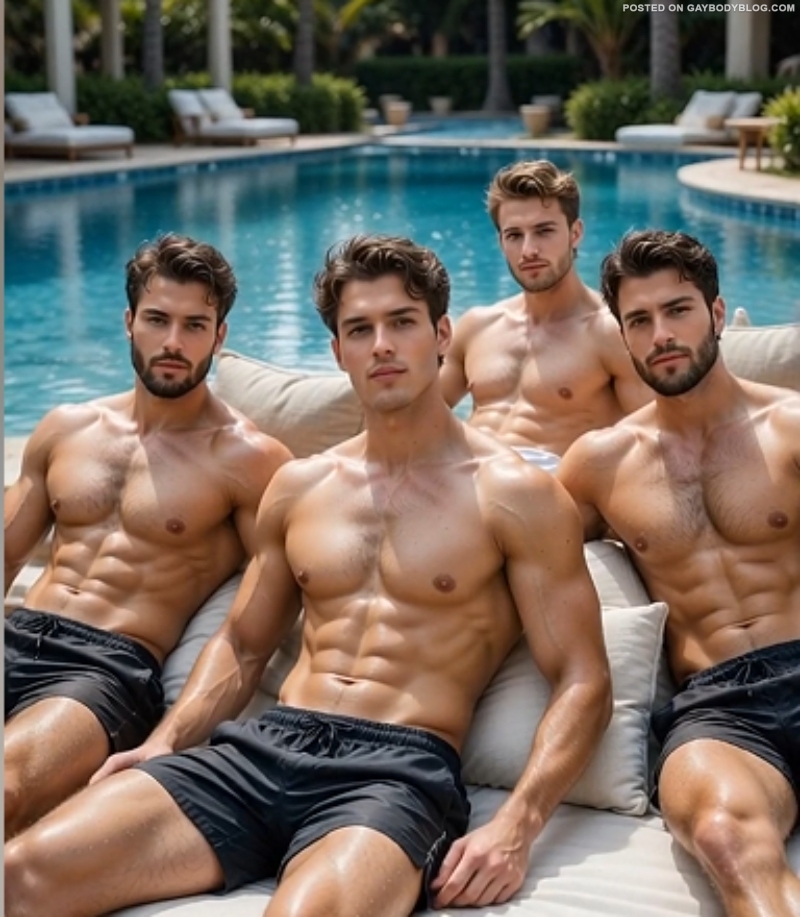
Artificial intelligence has introduced a new chapter in how gay erotic content is produced and consumed. Tools built around the concept of a gay ai porn generator allow users to create imagery based on specific prompts, bypassing the need for models, photographers, or production teams entirely. The output is synthetic, generated through machine learning models trained on large visual datasets.
This has lowered the barrier to creation considerably. Someone using a gay ai porn maker can produce highly specific content that matches personal fantasy in ways that pre-existing material may never have captured. The level of customization these tools offer has no real predecessor in the history of gay adult content.
Ethical questions have followed this technology closely. Concerns about consent, the training data used to build these models, and the potential for misuse are actively debated within both the tech community and LGBTQ+ advocacy spaces. These conversations are necessary and ongoing, with no simple resolution currently in sight.
A Culture That Keeps Authoring Itself
The through line across all of these shifts is agency. Gay communities have consistently found ways to create, share, and preserve erotic and cultural expression despite external constraints. Technology has repeatedly provided new tools, and those communities have reshaped them to meet their own needs. From hand-copied zines to AI-generated imagery, what remains constant is the drive to see oneself reflected in the stories and fantasies that define desire.








 RSS Feed